
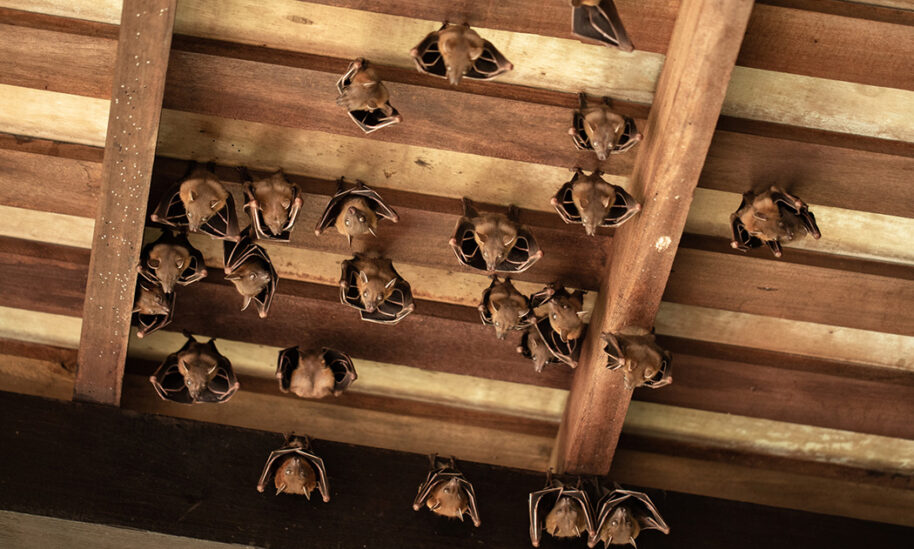
Hearing a faint fluttering sound above your ceiling in the middle of the night can be an unsettling experience. When a homeowner discovers a colony taking up residence in their roof space, the immediate instinct is often to find a quick way to exterminate or trap the intruders. However, handling a bat colony is vastly different from dealing with mice or ants. Because of their unique legal status and complex biology, achieving a safe resolution requires professional bat removal.
Bats are not rodents. They are highly intelligent, long-lived mammals that play a remarkably vital role in our local ecosystems. While they provide immense agricultural and environmental benefits outdoors, their presence inside a residential or commercial structure poses serious health and structural risks. Navigating the delicate balance between protecting the animals and securing your property is a highly specialized process.
This comprehensive guide will explore why these fascinating creatures are strictly protected under the law. We will examine the hidden dangers of allowing a roost to remain in your home, from toxic fungal spores to secondary insect infestations. Most importantly, we will outline the precise, humane exclusion methods utilized during professional bat removal to ensure your property remains secure for years to come.
The Ecological Importance and Legal Protections of Bats
Before attempting to address a bat issue, it is crucial to understand their environmental impact. A single little brown bat can consume thousands of mosquitoes, moths, and agricultural pests in a single night. This natural pest control saves the agricultural industry billions of dollars annually and helps keep local mosquito populations in check. Because of their slow reproductive rates, their populations are highly vulnerable to decline.
Due to severe threats like habitat loss and White-Nose Syndrome, many bat species are protected by state and federal laws, including the Endangered Species Act. It is strictly illegal to poison, trap, or kill protected bat species. Violating these wildlife laws can result in devastating fines and legal consequences for property owners.
Furthermore, bat removal is heavily restricted by timing. During the summer maternity season, flightless baby bats are left inside the roost while the mothers hunt. If you seal the entry points during this time, the mothers will be locked out, and the pups will perish inside your walls. This creates an atrocious odor and severe sanitation issues, which is exactly why professional bat removal experts carefully time their exclusion strategies.
The Hidden Dangers of an Indoor Roosting Colony and Professional Bat Removal
While bats are beneficial in the wild, an attic is a completely inappropriate habitat for them. Unlike rodents, bats do not chew wires or tear up insulation to build nests. Instead, the primary damage they cause stems from their biological waste. Allowing a colony to remain in your home for an extended period creates a cascading series of structural and biological hazards.
Guano Accumulation and Structural Damage
A colony of bats produces a massive amount of droppings, known as guano, along with highly concentrated urine. Over time, this waste piles up on attic floors, insulation, and drywall. Bat urine contains high levels of uric acid, which is incredibly corrosive. It can easily eat through wood finishes, degrade structural beams, and permanently stain ceiling drywall.
The sheer weight of a large guano accumulation can also compromise the structural integrity of your ceiling. In extreme cases, ceilings have been known to collapse under the heavy, moisture-laden weight of neglected bat waste. Prompt intervention is necessary to prevent thousands of dollars in property damage.
Histoplasmosis and Respiratory Hazards
The most severe risk associated with an indoor bat colony is a disease called histoplasmosis. This respiratory illness is caused by inhaling the microscopic spores of the Histoplasma capsulatum fungus. This specific fungus thrives in the nutrient-rich environment of decomposing bat guano.
When the guano dries out, even a slight draft or physical disturbance can send millions of invisible fungal spores airborne. If these spores travel through your HVAC system or are disturbed during a DIY cleanup attempt, they can cause severe lung infections. This biological hazard is a primary reason why unequipped homeowners should always rely on professional bat removal services.
Secondary Pest Infestations
Where there are bats, there are often secondary pest issues. Roosting colonies frequently carry ectoparasites, the most common being the bat bug. Bat bugs are practically identical in appearance to bed bugs and share a similar life cycle. While their preferred host is the bat, they will gladly migrate into human living spaces if the bats are excluded or the colony grows too large.
Additionally, the smell of accumulated guano attracts cockroaches, flies, and other scavenger insects. A comprehensive approach to wildlife management requires treating not just the primary animal, but also the microscopic and insect-level threats they leave behind in your living spaces.
The Intricate Process of Professional Bat Removal
Because lethal methods are illegal and trapping is ineffective for large colonies, the only approved method for handling a bat infestation is humane exclusion. This highly technical process allows the bats to leave on their own while physically preventing their return. It requires an intimate knowledge of building architecture and wildlife behavior.
Comprehensive Property Inspection
The first step in any exclusion process is a meticulous exterior inspection. Bats can squeeze into a structure through a gap as small as three-eighths of an inch. Technicians must examine the entire roofline, fascia boards, gable vents, and chimney flashing to identify the primary entry point, as well as any potential secondary gaps.
Identifying the primary exit is critical. The technicians will look for brown, greasy smudge marks around small crevices caused by the natural oils in the bats’ fur. They will also look for guano splatters on the siding directly below the entry point.
Strategic Exclusion Devices
Once the inspection is complete, all secondary potential entry points are permanently sealed using heavy-duty, weather-resistant materials. The primary entry point is left open, and a specialized one-way exclusion device is installed over the gap. These devices, which can be tubes or specialized netting, allow the bats to drop down and fly out to hunt, but prevent them from re-entering the structure.
The one-way doors are typically left in place for one to two weeks, ensuring that every single bat has safely exited the building. Once the property is confirmed to be completely empty, the exclusion devices are removed, and the final entry point is permanently sealed.
Decontamination and Guano Remediation
The final phase of professional bat removal involves securing the biological safety of the space. Removing the bats is only half the battle. Technicians outfitted with full-face respirators and hazmat suits will carefully vacuum and remove the toxic guano, utilizing HEPA-filtered equipment to prevent spores from spreading.
After the physical waste is removed, the affected area is treated with an enzymatic cleaner to break down the remaining biological matter, neutralize the pheromones, and destroy the histoplasmosis spores. Soiled insulation may need to be entirely replaced to restore the thermal efficiency and air quality of your home.
Expert Wildlife Removal with Hoffman’s Exterminating
Attempting a DIY bat exclusion is not only incredibly dangerous to your health, but it often leads to illegal violations or trapped animals decaying inside your walls. The sheer complexity of building diagnostics, high-ladder work, and biological decontamination requires specialized training and professional equipment. When dealing with protected species, precision and legal compliance are non-negotiable.
At Hoffman’s Exterminating, our licensed experts are highly trained in the exact science of professional bat removal. We provide secure, humane Wildlife Removal services that respect local ecological laws while fiercely protecting your property. Our team will identify the hidden structural vulnerabilities, safely exclude the colony, and perform the rigorous sanitation necessary to make your attic safe again.
Beyond wildlife management, our comprehensive services include complete Pest Control, Termite Control, Bed Bug Extermination, Rodent Control, Mosquito & Tick Control, and Commercial Pest Control. We have built our reputation on providing long-term, structural solutions rather than temporary fixes.
Do not let a roosting colony compromise the safety of your home or business. If you suspect bat activity and need guaranteed results, contact our seasoned professionals. Visit our Contact Page to schedule a comprehensive property inspection, or call us immediately at (800) 624-6193 to speak directly with an exclusion specialist.
Frequently Asked Questions for Professional Bat Removal
Why can I not just trap the bats myself?
Trapping bats is largely ineffective and often illegal. Because bats are protected, killing them is a federal offense in many instances. Furthermore, capturing a few bats does nothing to address the dozens or hundreds of others hidden deep within the wall voids. Humane exclusion via one-way doors is the only legal, effective method.
When is the safest time of year to perform a bat exclusion?
The optimal times for professional bat removal are late summer to early autumn, or early spring. Exclusions cannot be performed during the summer maternity season (typically June through mid-August) because flightless pups will be trapped inside to starve. Winter exclusions are also impossible in many regions because the bats are hibernating and will not exit the one-way doors.
How do I know if I have a bat problem or a mouse problem?
While both can create scratching sounds, their habits differ. Bat droppings tend to cluster in piles directly beneath their roosting spot and will crumble into dust (insect parts) when crushed. Mouse droppings are scattered along travel paths and remain hard. Additionally, bats are typically heard vocalizing with high-pitched squeaks right at dusk and dawn.
Will homeowner’s insurance cover bat removal and cleanup?
Coverage varies drastically depending on your specific policy. Many standard homeowner’s insurance policies exclude pest and rodent damage. However, some policies may cover the ensuing structural damage or the biohazard cleanup if the infestation was sudden and accidental. It is highly recommended to consult your insurance agent directly.
Can bats chew through wood or wire to get back inside?
No. Unlike rodents, bats do not have the strong incisor teeth required for gnawing through building materials. They rely entirely on pre-existing gaps, cracks, and rotted wood to gain entry. Once a building is properly sealed with metal, hard plastics, or professional-grade sealants, bats cannot physically chew their way back inside.