
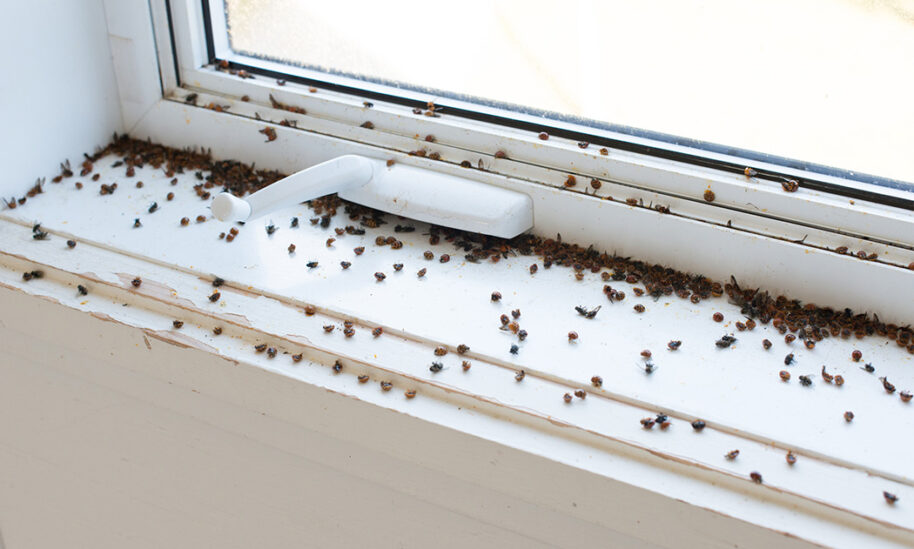
As the leaves change color and temperatures drop, a silent migration begins right outside your front door. You might assume that all pests simply die off when the first frost arrives, but this is a common misconception. The reality of insects in winter is far more complex and highly intrusive. Many species have evolved sophisticated survival mechanisms that drive them straight toward the ambient warmth of your residential living spaces.
Instead of freezing, these opportunistic pests seek out sheltered, temperature-controlled environments to wait out the cold months. To them, your heated home is the ultimate winter sanctuary. A house that appears perfectly sealed to a human can look incredibly inviting to a tiny insect searching for a winter refuge. Recognizing the signs of this seasonal invasion is the first step in protecting your property.
In this comprehensive guide, we will explore the biological imperatives that drive this behavior and the specific structural vulnerabilities these pests exploit. We will identify the most common culprits you are likely to find buzzing near your windows on a sunny December afternoon. Most importantly, we will provide actionable, science-based strategies to secure your perimeter and keep these unwanted guests outside where they belong.
The Science of Survival: Understanding Insects in Winter
To effectively manage a seasonal pest issue, you must first understand the biology driving the infestation. Unlike mammals, insects are cold-blooded and cannot regulate their own body temperatures. When dealing with insects in winter, we are dealing with a state of dormancy known as diapause. Diapause is essentially an insect version of hibernation, triggered by shorter daylight hours and dropping temperatures.
During diapause, an insect’s metabolic rate drops significantly. They stop feeding, their growth halts, and they seek out secure, insulated locations to conserve energy. In nature, they hide under tree bark, inside rotting logs, or deep within leaf litter. However, residential neighborhoods offer far superior accommodations in the form of attic spaces, wall voids, and basement crevices.
When these pests enter your home in the fall, they often remain hidden and inactive in dark, undisturbed areas. The problem usually becomes apparent on unseasonably warm winter days. The radiant heat from the sun penetrates your siding, tricking the dormant insects into believing spring has arrived. They wake up, become disoriented, and inevitably wander into your living room or kitchen.
Common Culprits: Which Bugs Are Moving In?
Not all bugs are capable of or interested in overwintering inside human structures. The pests that do breach your perimeter typically belong to a specific group of seasonal invaders. Knowing exactly which insects in winter you are dealing with can help you pinpoint their likely entry points and nesting habits.
Brown Marmorated Stink Bugs
The brown marmorated stink bug is perhaps the most notorious overwintering pest. Native to Asia, this invasive species has no natural predators in many parts of the world and reproduces rapidly during the summer. As autumn approaches, they congregate in massive numbers on the south and west-facing walls of homes, soaking up the afternoon sun.
From there, they crawl upward and slip beneath siding, around window frames, and into attic vents. Once inside, they release an aggregation pheromone that signals other stink bugs to join them. If crushed or threatened, they emit a foul, cilantro-like odor, making them particularly unpleasant to deal with indoors.
Asian Lady Beetles
Often mistaken for native ladybugs, Asian lady beetles are another aggressive overwintering species. While beneficial to gardeners in the summer because they consume aphids, they become a severe nuisance in the winter. Like stink bugs, they swarm sunlit exteriors in the fall before pushing their way indoors.
Asian lady beetles are known to gather in the upper corners of rooms, around light fixtures, and inside window frames. They can secrete a yellowish, foul-smelling fluid from their leg joints when disturbed. This fluid can permanently stain curtains, walls, and furniture, adding a layer of property damage to their nuisance factor.
Boxelder Bugs
Boxelder bugs are easily identifiable by their flat, black bodies marked with distinct reddish-orange lines. During the warmer months, they feed on the seeds of boxelder, maple, and ash trees. When the weather cools, they abandon their host trees and seek shelter in nearby buildings.
These bugs are experts at exploiting tiny cracks in foundation walls and gaps around basement windows. While they do not bite, sting, or carry diseases, their sheer numbers can be overwhelming. Sweeping up hundreds of dead or dying boxelder bugs throughout the winter is a frustrating chore for many homeowners.
Hidden Entryways: How Overwintering Pests Breach Your Perimeter
Insects do not force their way into your home. They exploit existing structural flaws. A gap as thin as a credit card is more than enough room for a stink bug or beetle to pass through. When considering how to stop insects in winter, you must conduct a meticulous inspection of your home’s exterior envelope.
The most common entry points are located around doors and windows. Missing weatherstripping, torn window screens, and dried, cracked caulking provide immediate access to interior wall voids. Utility penetrations are another major vulnerability. The areas where plumbing pipes, gas lines, and electrical conduits enter the house often feature unsealed gaps that insects use as an open highway.
Rooflines are equally problematic. Vents without proper insect screening, gaps behind fascia boards, and unsealed soffits allow pests direct access to your attic. Because heat rises, the attic is often the warmest and most attractive part of the house for overwintering pests, making these elevated entry points critical to secure.
Proactive Exclusion: Stopping the Invasion Before It Starts
The absolute best method for managing overwintering pests is keeping them out in the first place. This requires a dedicated exclusion strategy implemented in late summer or early fall. Waiting until you see the bugs actively crawling on your walls is often too late, as thousands more may already be safely hidden inside your wall voids.
Start by caulking the exterior. Use a high-quality exterior-grade silicone or polyurethane caulk to seal cracks around window frames, door frames, and where different building materials meet. Replace any damaged weatherstripping on all exterior doors, ensuring a tight seal against the threshold. Pay special attention to the garage door bottom seal, as garages are a common staging ground for indoor invasions.
Next, secure your vents. Install tight-fitting, 20-mesh screening over attic vents, gable vents, and chimney flues. Finally, inspect your siding and foundation. Seal any visible cracks in the foundation with hydraulic cement or expanding foam. If you have vinyl siding, ensure that the utility entries are properly sealed with escutcheon plates and foam backer rods.
Professional Protection with Hoffman’s Exterminating and Get Rid of Insects in Winter
While DIY exclusion efforts are helpful, correctly identifying and sealing every micro-crevice on a residential structure is an incredibly difficult task for an untrained eye. If you continually battle insects in winter year after year, your home has structural vulnerabilities that require a professional assessment. Dealing with the frustration of vacuuming up bugs all winter is a cycle you can break.
At Hoffman’s Exterminating, we understand the specific behavioral patterns of overwintering pests. Our licensed technicians provide comprehensive Pest Control services designed to identify hidden entry points and stop the migration before it reaches your living spaces. We utilize advanced perimeter treatments in the early fall to create a barrier that repels insects before they can settle into your walls.
In addition to seasonal pest management, we offer comprehensive Termite Control, Bed Bug Extermination, Rodent Control, Wildlife Removal, and Mosquito & Tick Control. We also provide specialized Commercial Pest Control for businesses facing similar seasonal invasions. Our goal is to ensure your property remains secure, clean, and comfortable year-round.
Stop sharing your home with uninvited guests. If you want to fortify your property against overwintering pests, rely on the experts. Visit our Contact Page to schedule a thorough exterior inspection, or call us directly at (800) 624-6193 to speak with a pest management professional today.
Frequently Asked Questions of Getting Rid of Insects in Winter
Why do I suddenly see stink bugs indoors during the middle of winter?
Stink bugs overwinter in a dormant state inside your wall voids or attic. On unusually warm, sunny winter days, the radiant heat warms the walls, tricking the bugs into thinking spring has arrived. They wake up from diapause, become disoriented, and often follow light and warmth into your living spaces instead of back outside.
Does turning down my thermostat kill overwintering insects?
No, turning down your thermostat will not kill them. Insects in diapause can survive near-freezing temperatures in the wild. The temperatures inside a modern, insulated home, even with the heat turned down drastically, are still far warmer than their natural outdoor winter habitats. They will simply remain dormant until it warms up.
Should I use bug bombs in my attic to get rid of lady beetles?
Using bug bombs or foggers in an attic is generally not recommended for overwintering pests. These products do not penetrate deeply into the insulation or tight wall crevices where the insects are actually hiding. Furthermore, killing thousands of insects in an inaccessible area can attract secondary pests, like carpet beetles, to feed on the dead bodies.
Can overwintering pests damage my home or spread disease?
Most common overwintering pests, such as stink bugs and boxelder bugs, are considered nuisance pests. They do not sting, spread human diseases, or chew through structural wood. However, Asian lady beetles can secrete a fluid that stains fabrics, and large accumulations of dead insects in wall voids can attract other damaging pests.
When is the best time to treat my home for winter pests?
The optimal time for treatment is late summer to early fall, typically between late August and early October. Applying professional exterior perimeter treatments during this window creates a barrier that intercepts the pests right as they begin their migration to your siding, preventing them from ever getting inside your walls so you won’t have insects in winter.