
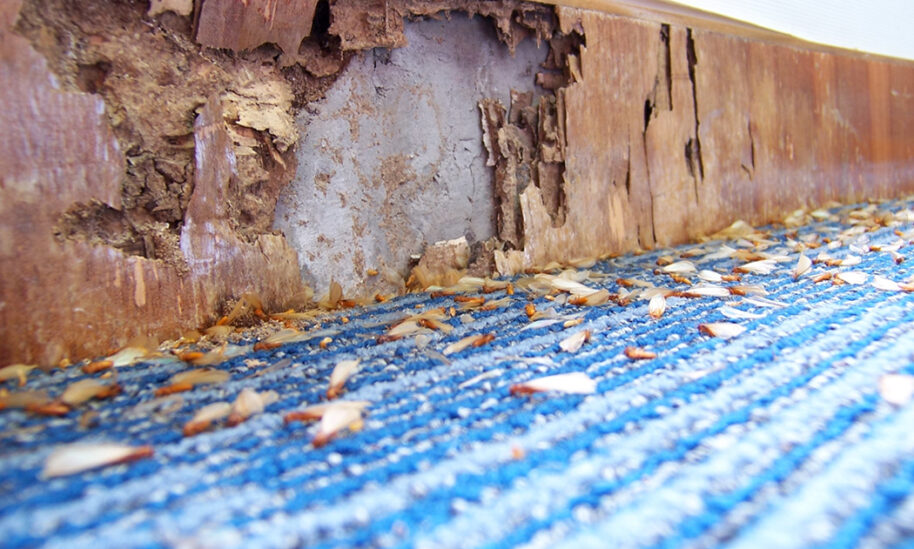
Most homeowners know the dread of a termite diagnosis. When we think of termite damage, we immediately picture crumbling floor joists, hollowed-out wall studs, and weakened foundation beams. It’s a well-known fact that termites eat wood, causing over $5 billion in property damage across the United States every single year. But what if we told you their destructive appetite isn’t limited to the structural timber of your home?
If you think your belongings are safe just because they aren’t made of solid oak or pine, you might be in for an unpleasant surprise.
The Science of the Termite Diet: It’s All About Cellulose
To understand why termites eat things that aren’t wood, you have to understand what they are actually looking for. Termites don’t eat wood just because it’s hard or structural; they consume it to extract a specific complex carbohydrate called cellulose.
Cellulose is the primary structural component of plant cell walls and is the most abundant organic compound on Earth. Thanks to specialized protozoa and bacteria living in their digestive tracts, termites are among the few creatures on the planet capable of breaking down cellulose into nutritious sugars. Therefore, anything in your home that is derived from plants and contains cellulose is a potential meal.
Inspired by the National Pest Management Association’s eye-opening “Will They Eat It?” project—where entomologists unleashed termites on everyday household items—let’s look at the surprising things termites can and will destroy inside your house.
1. Paper, Books, and Important Documents
Paper is essentially purified cellulose. To a termite, a cardboard box filled with old tax documents or family photo albums is an absolute feast. Termites frequently infiltrate homes through the foundation and make their way into basements or attics where homeowners tend to store cardboard boxes directly on the floor.
It is incredibly common for exterminators to open a seemingly intact box of books only to find the pages completely hollowed out, leaving behind nothing but ruined covers and termite mud.
2. Wallpaper and Drywall (Sheetrock)
You might think your modern home is safe because it uses drywall instead of solid wood paneling. Unfortunately, drywall (also known as sheetrock) is made of a plaster core sandwiched between two thick sheets of heavy paper. Termites will eagerly tunnel through the wooden studs in your walls and begin feeding on the paper backing of your drywall.
They will also eat the paper backing of wallpaper. Homeowners often mistake the signs of termite wallpaper damage for water damage, noticing bubbling, peeling, or faint, winding tracks beneath the surface of the paper.
3. Clothing and Fabrics
While termites won’t eat your polyester or synthetic activewear, they will absolutely target natural, plant-based fibers. Cotton, linen, and hemp are all rich in cellulose. If termites breach a closet or a storage chest, they can chew through folded cotton t-shirts, expensive linen suits, and heirloom quilts. The damage usually appears as irregular holes, often accompanied by dirt-like spotting (termite feces, known as frass) or mud tubes.
4. Electrical Cable Insulation and Plastics
Perhaps the most dangerous and surprising item on this list is electrical wiring. Wait—do termites eat plastic and rubber? No. They cannot digest plastic, but that doesn’t stop them from destroying it.
Termites possess incredibly strong, serrated mandibles (jaws). When they are navigating through the tight spaces inside your walls, they will chew through almost anything that blocks their path to a food source or moisture. This includes the plastic and rubber insulation wrapping your home’s electrical cables.
When termites chew through this protective insulation, they leave live electrical wires exposed. This can lead to unexplained power outages, short circuits, and in the worst-case scenarios, a catastrophic electrical fire hidden deep within your walls.
When They Eat the Unexpected, the Threat is Severe
If you are finding termites in your books, chewing through your wallpaper, or damaging your clothing, it is a massive red flag. Termites generally prefer the dense, moisture-rich wood of your home’s structure. When they begin branching out to eat paper, fabrics, or chew through electrical wires, it often means the colony is large, well-established, and aggressively expanding its foraging territory.
DIY treatments are entirely ineffective against established termite colonies. Because these pests live deep underground or hidden within the walls, surface sprays will only kill a fraction of the workers while the queen continues to reproduce.
Ready to evict these silent destroyers? You need a targeted, professional approach to eradicate the entire colony and protect your property. Hoffman’s Exterminating offers comprehensive Termite Control, along with Pest, Rodent, and Wildlife removal services. Contact us today to safeguard your home before the damage goes any further.
Follow Hoffman’s Facebook page for more pest control tips, advice and news.