
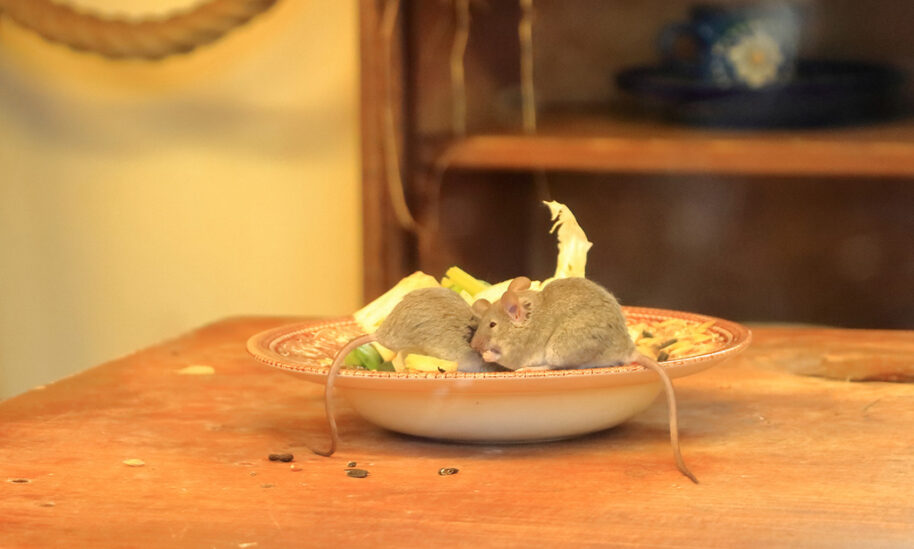
Few sounds disrupt a quiet evening quite like the faint, rapid scratching coming from inside your walls. When temperatures drop or food sources outdoors become scarce, residential homes become prime targets for opportunistic rodents. Understanding the behavior of these invaders is the critical first step in stopping a mouse infestation before it spirals out of control. Ignoring the early warning signs usually leads to structural damage and significant health risks for your household.
Mice are commensal rodents, meaning they have evolved to live in close proximity to humans and rely on our habitats for survival. They do not need an open door to enter your living space. A common house mouse can squeeze through a gap the size of a standard dime, exploiting microscopic flaws in your foundation, compromised weather stripping, or unsealed utility penetrations. Once inside, they immediately begin seeking out warm nesting sites and reliable food sources.
This comprehensive guide will explore the biological imperatives that drive rodent behavior and the specific environmental clues they leave behind. By learning to read these signs, you can pinpoint their nesting locations and travel routes. More importantly, we will outline the objective, science-based tactics required for stopping a mouse infestation effectively and permanently.
Understanding the House Mouse and Its Behavior
To outsmart a pest, you must first understand its capabilities. Mice are exceptionally agile creatures with a biological drive to reproduce rapidly. A single female mouse can produce up to ten litters a year, with each litter containing five to six pups. These pups reach reproductive maturity in just a few weeks. This exponential growth rate means a minor intrusion can evolve into a severe localized crisis in less than ninety days.
Beyond their reproductive capabilities, mice possess constantly growing incisor teeth. To keep these teeth filed down, they must gnaw on hard materials constantly. This biological necessity leads them to chew through drywall, wooden structural beams, PVC plumbing pipes, and electrical wiring. Gnawed electrical wires are a leading cause of unexplained house fires, making rodent removal a critical matter of home safety.
Mice are also primarily nocturnal and highly cautious. They suffer from poor eyesight but compensate with exceptional senses of hearing, smell, and touch. They use their sensitive whiskers to navigate dark wall voids and prefer to travel along established, secure pathways. Understanding these sensory adaptations is vital when planning your strategy for stopping a mouse infestation.
Early Detection: Recognizing the Signs of Activity
Because mice are nocturnal and actively avoid human contact, you are highly unlikely to see a live rodent during the early stages of an intrusion. Instead, you must rely on the physical evidence they leave behind in their wake. Conducting a thorough inspection of your home requires knowing exactly what to look for in hidden, undisturbed areas.
Droppings and Odor
The most undeniable sign of rodent activity is the presence of fecal droppings. Mouse droppings are dark, granular, and approximately the size and shape of a grain of rice. You will typically find them concentrated near food sources, in dark pantry corners, behind kitchen appliances, and inside insulation in attics or basements. Finding soft, moist droppings indicates an active, current presence.
In addition to droppings, a heavy rodent presence often produces a distinct, pungent odor. Mice use urine to communicate with one another and mark their territories. In enclosed spaces like pantries or under sink cabinets, this musky, ammonia-like smell can become quite strong. Tracking this scent can often lead you directly to their primary nesting locations.
Gnaw Marks and Structural Damage
As previously mentioned, gnawing is a biological requirement for these pests. Inspect the bottom edges of wooden baseboards, the corners of cabinet doors, and the entry points around plumbing pipes for fresh chew marks. Fresh gnaw marks will appear lighter in color than the surrounding wood and may feature rough, jagged edges.
Mice will also shred soft materials to build their nests. Finding torn paper, shredded cardboard, pulled fiberglass insulation, or damaged fabrics in secluded areas is a strong indicator of an active nest nearby. Removing these nesting materials is a necessary step in stopping a mouse infestation completely.
Smudge Marks and Pathways
Mice rarely travel across the open center of a room. They prefer to keep one side of their body pressed against a vertical surface, such as a wall or a floor joist, to navigate safely in the dark. Over time, the dirt and natural sebum oils in their fur rub off onto these surfaces. This leaves behind dark, greasy smudge marks along the bottom edges of walls.
By shining a flashlight parallel to your baseboards, you can often illuminate these greasy pathways. Following these smudge marks will usually lead you directly from their hidden nesting areas to their preferred feeding sites. Identifying these specific runways is crucial for the effective placement of traps and monitoring devices.
Core Strategies for Stopping a Mouse Infestation
Once you have identified the scope of the problem, you must implement a multi-tiered approach to eradicate the population. Relying solely on a few random traps will rarely yield long-term success. True rodent management requires structural exclusion, rigorous sanitation, and strategic population control.
Comprehensive Perimeter Exclusion
The absolute most critical factor in stopping a mouse infestation is preventing new rodents from entering the structure. This process, known as exclusion, involves sealing every potential entry point on the exterior of your home. You must inspect the foundation, siding, window frames, and rooflines with intense scrutiny.
Use materials that mice cannot chew through to seal these gaps. Stuff holes with copper mesh or coarse steel wool, and then seal over the material with a high-quality silicone caulk. Pay special attention to the areas where utility pipes, HVAC lines, and electrical conduits enter the exterior walls, as these are notoriously common access points.
Interior Sanitation and Habitat Modification
With the exterior sealed, you must eliminate the internal resources keeping the existing population alive. Mice require surprisingly little food to survive, so rigorous sanitation is mandatory. Transfer all pantry goods, including pet food and birdseed, into thick plastic or glass containers with airtight lids. Thin cardboard boxes and plastic bags offer zero protection against rodent incisors.
Furthermore, you must eliminate clutter in basements, attics, and garages. Piles of old clothing, stacked cardboard boxes, and neglected storage bins provide perfect, undisturbed nesting habitats. Elevating storage bins off the ground and switching from cardboard to heavy-duty plastic totes will significantly reduce their available nesting options.
Strategic Trapping Methods
Once the house is sealed and food sources are secured, you can focus on removing the trapped population. Traditional snap traps remain one of the most effective and humane methods for population control when used correctly. The key to success lies in placement rather than the bait itself.
Place traps perpendicular to the walls along the smudge marks and pathways you identified earlier, with the trigger end facing the baseboard. Space them roughly six to eight feet apart in areas of high activity. Check the traps daily, remove captured rodents promptly, and reset the devices until all signs of activity have completely ceased.
Professional Rodent Control with Hoffman’s Exterminating
While DIY exclusion and trapping can manage a minor, localized issue, a deeply entrenched rodent population often requires a higher level of intervention. Mice are incredibly resilient, and missing even a single hidden entry point or a secondary nest can lead to a rapid reinfestation. When structural complexities or heavy population numbers make DIY methods ineffective, it is time to consult professional experts.
At Hoffman’s Exterminating, we specialize in advanced, comprehensive Rodent Control. Our highly trained technicians understand the nuances of rodent behavior and possess the tools necessary to identify hidden pathways that untrained eyes often miss. We do not just place traps; we conduct thorough environmental assessments to design a customized eradication and exclusion strategy for your specific property.
Our comprehensive services also extend to full-scale Pest Control, Termite Control, Bed Bug Extermination, Wildlife Removal, Mosquito & Tick Control, and extensive Commercial Pest Control solutions. We prioritize the health and safety of your environment by utilizing industry-leading techniques to secure your property against all unwanted invaders.
Do not let a minor rodent issue evolve into a major structural hazard. If you are struggling with ongoing pest issues and need expert assistance with stopping a mouse infestation, our team is ready to help. Visit our Contact Page to schedule a detailed inspection, or reach out directly by calling (800) 624-6193 to speak with a pest management professional.
Frequently Asked Questions for Stopping a Mouse Infestation
How long does it typically take to eradicate a mouse problem completely?
The timeline for complete eradication depends entirely on the size of the population and the structural integrity of the building. A minor issue caught early can often be resolved in two to three weeks with proper trapping and sealing. However, entrenched infestations in larger homes or commercial buildings may require several months of consistent monitoring and professional intervention.
Are ultrasonic pest repellers effective for getting rid of mice?
Scientific evidence regarding the efficacy of ultrasonic repellers is highly mixed and generally unsupportive of their long-term use. While mice may initially avoid an area with a new, high-frequency sound, they quickly habituate to the noise and will return if food and shelter are present. Structural exclusion and physical trapping remain the only proven methods for reliable control.
What is the best bait to use on a standard mouse trap?
While cheese is the traditional stereotype, it is actually not the most effective bait. Mice prefer high-calorie, sweet, or fatty foods. Peanut butter, chocolate hazelnut spread, or small pieces of bacon are highly attractive to rodents. A very small, pea-sized amount of bait securely attached to the trigger forces the mouse to work for the food, increasing the likelihood of a successful trap.
Can I just use rodenticide poison inside my house instead of traps?
Using rodenticides indoors is generally discouraged for residential DIY applications. If a mouse consumes poison and retreats into a wall void or inaccessible crawlspace to die, it will create a severe odor issue and attract secondary pests like blowflies and beetles. Trapping allows for the immediate physical removal of the carcass from your home.
Why do I keep getting mice every single winter?
If you experience seasonal rodent issues year after year, your home has unidentified structural vulnerabilities. Mice are seeking warmth as temperatures drop, and they will continually exploit the same unsealed gaps around your foundation, doors, or roofline. Breaking this cycle requires a meticulous, professional-grade exclusion process to seal off these recurring entry points and stopping a mouse infestation