
What the Research Found
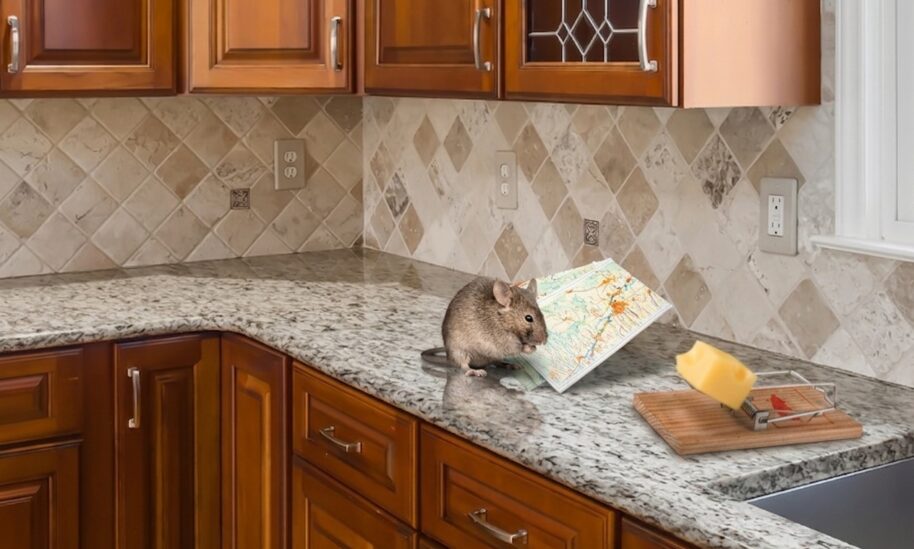
Recent rodent behavior research highlighted by the National Pest Management Association (NPMA) Pestology initiative underscores the impressive cognitive abilities of wild house mice. Scientists studying municipal rodent populations discovered that house mice construct intricate mental maps of their territory, memorizing hidden travel routes along walls, pipes, and furniture.
Furthermore, research shows that mice exhibit high levels of neophobia (caution toward new objects in their environment). When a new trap or bait station appears along their usual pathway, mice often avoid it entirely for days or carefully test the object without tripping the trigger. Combine this cautious nature with their ability to alert colony members to danger using high-frequency calls, and it becomes easy to see why simple DIY trapping strategies so frequently fall short.
Key Homeowner Takeaways
-
Spatial Memory & Navigation: Mice build precise mental maps of your home. They memorize hidden wall voids, entry points, and food sites, allowing them to navigate along baseboards and behind cabinets without exposing themselves in open areas.
-
Trap Avoidance & Learning: Near-misses teach mice to avoid traps. If a mouse survives a poorly placed snap trap or senses human odor on a device, it learns to bypass the trap or lick away bait without triggering the mechanism.
-
Rapid Population Growth: Intelligence leads to rapid infestation growth. Because clever mice dodge basic DIY efforts, a single pair can easily nest unnoticed, producing up to 10 litters a year and turning a small entry issue into a full-scale infestation.
Actionable DIY Tips for Success
To protect your home and maximize your pest control efforts, follow these 5 essential home tips:
-
Seal Every Tiny Gap and Crevice: Mice can squeeze through openings as small as a dime. Use steel wool combined with silicone caulk to seal gaps around utility lines, door sweeps, and foundation cracks.
-
Store All Food in Heavy Sealed Containers: Cardboard boxes and thin plastic bags are easily chewed through. Transfer cereals, baking supplies, and pet food into airtight glass or thick plastic containers.
-
Place Traps Perpendicular to Walls: Mice rely on their whiskers to navigate along vertical surfaces. Position traps perpendicular to baseboards with the bait trigger directly facing the wall.
-
Wear Gloves When Handling Pest Gear: Rodents have an acute sense of smell and will steer clear of human scent. Always wear disposable rubber gloves when handling, baiting, and placing traps.
-
Eliminate Nesting Materials in Storage Areas: Cardboard boxes, newspapers, and stored fabric in attics or basements provide ideal nesting clutter. Store seasonal items in sealed plastic totes off the floor.
Take Action Against Indoor Rodent Infestations
Hoffman’s Exterminating offers comprehensive rodent management and exclusion services throughout Philadelphia and South Jersey. Their experienced technicians inspect properties for subtle entry points, deploy professional-grade treatments where appropriate, and provide homeowners with practical recommendations for long-term rodent prevention.
“Mice are remarkably smart and cautious creatures, which is why a few basic traps rarely solve an active infestation,” the Hoffman’s representative added. “Professional rodent control addresses both the entry points and the underlying colony dynamics to protect your home effectively.”
If tricky mice are making it difficult to keep your home safe and sanitary, don’t wait for the problem to worsen. Contact Hoffman’s Exterminating today to schedule a professional inspection and customized rodent control plan. Their knowledgeable team is committed to helping homeowners throughout the Philadelphia and South Jersey area enjoy a safer, healthier, and pest-free home.
Follow Hoffman’s Facebook page for more pest control tips, advice and news.