
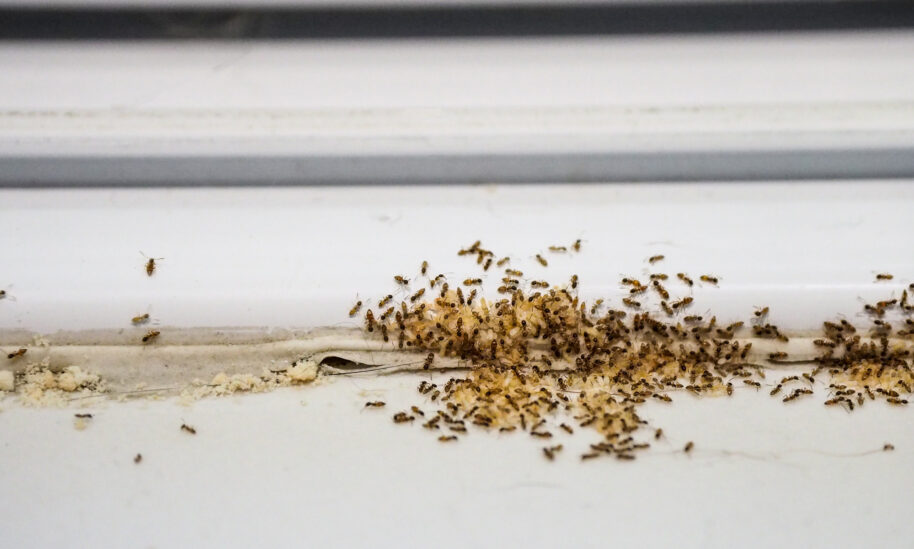
As spring temperatures continue climbing across the greater Philadelphia region, pest control professionals are seeing a noticeable increase in ant activity.
Warmer weather often causes ant colonies to expand rapidly, sending worker ants indoors searching for food, moisture, and shelter. While a few ants may seem harmless at first, experts warn that visible activity inside a property can signal a much larger infestation nearby.
Many common ant species in Pennsylvania, South Jersey, and Delaware become especially active during late spring and early summer. Pavement ants, odorous house ants, and carpenter ants frequently invade kitchens, bathrooms, basements, and utility areas while searching for crumbs, standing water, or damp wood. Once ants establish reliable food sources indoors, colonies can quickly become difficult to control without professional treatment.
“Carpenter ants present a specific concern because they tunnel through wood to create nesting galleries,” said William T. Hoffman, President & CEO of Hoffman’s Exterminating. “Although they do not consume wood like termites, their activity can still contribute to structural damage over time if infestations remain untreated. Homeowners may notice sawdust-like debris, rustling sounds inside walls, or increased ant activity around windows, sinks, and foundations.”
Commercial properties may also experience seasonal ant problems, especially restaurants, office buildings, apartment complexes, warehouses, and retail businesses where food storage or moisture issues attract colonies. Preventive pest management is often essential for minimizing disruptions and protecting customer experiences.
What You Can Do To Help Prevent Ant Problems
Hoffman’s recommends sealing cracks around doors, windows, and foundations to help limit indoor access points. Cleaning food spills promptly, storing pantry items in sealed containers, and eliminating standing water may also reduce the likelihood of attracting ants indoors.
Outdoor maintenance can make a difference as well. Trimming vegetation away from buildings, repairing moisture issues, and removing decaying wood or debris from around foundations may help discourage colony growth near structures. Early treatment remains important because ant populations can spread quickly during warmer months.
In addition, Hoffman’s Exterminating reminds residents that do-it-yourself sprays often address only visible ants while leaving larger colonies untouched. Professional pest control services can identify nesting locations, determine the species involved, and provide targeted treatment solutions designed for long-term control.
If ants are becoming a problem around your home or business, contact Hoffman’s Exterminating today to schedule a professional inspection and discuss treatment options.
Property owners can also follow Hoffman’s on Facebook for pest control news, prevention advice, and seasonal tips throughout the year.