
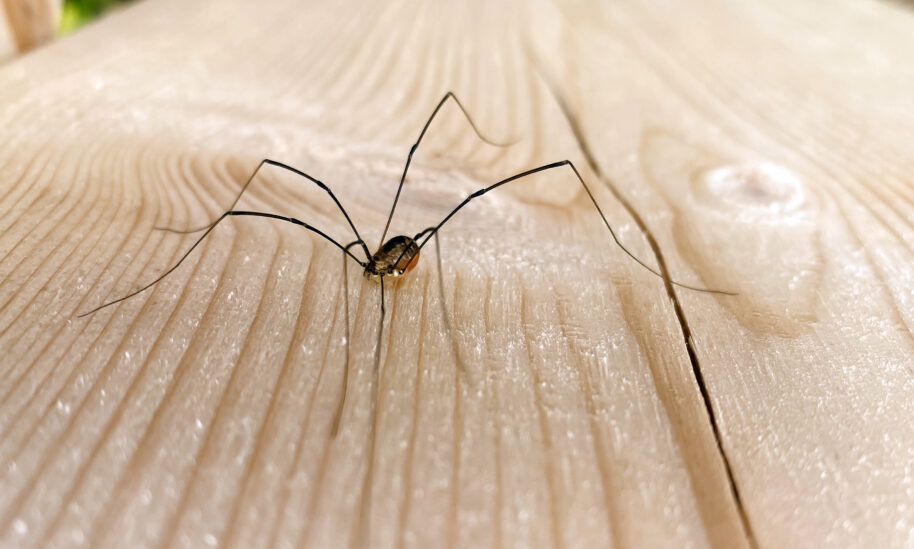
Understanding spiders can help you keep your home pest-free and your family safe.
Spiders are among the most misunderstood creatures that make their way into homes. Myths about their behavior, their danger, and their intentions have circulated for decades, often overshadowing the important role many spiders play in the ecosystem. According to information from the National Pest Management Association (NPMA), most spiders found inside homes are harmless — and many actually help reduce other pest populations.
“Spiders often get a bad reputation,” explains William T. Hoffman, President & CEO of Hoffman’s Exterminating. “But a lot of what people think they know about them simply isn’t true. Understanding spider behavior helps homeowners prevent unwanted encounters and recognize when professional help is needed.”
Spider Myths — Debunked
Here are some of the most widespread misconceptions about spiders — and the facts every homeowner should know:
- Myth 1: You swallow eight spiders a year while sleeping. This persistent urban legend has been circulating for years, but it’s completely untrue. Spiders are not attracted to people’s mouths, and most avoid humans altogether.
- Myth 2: You’re never more than three feet away from a spider. While there are thousands of spider species worldwide and many are common around buildings, this “fact” depends entirely on location and situation. You might be near one in your garden, but not necessarily at your dinner table or sleeping in bed.
- Myth 3: All spiders spin webs. Not all spiders rely on silk webs to capture prey. Some — like wolf and jumping spiders — actively hunt or pounce on insects, while others use silk for egg sacs or shelter.
- Myth 4: Daddy longlegs are the most venomous spiders. Contrary to popular belief, pholcid “daddy longlegs” aren’t known to bite humans or inject venom. The idea that their venom is deadly but their fangs are too short to penetrate skin is a myth.
- Myth 5: All spiders are dangerous. Most spiders are harmless and many are beneficial, helping control insects like flies and mosquitoes. Only a few species — such as widow and recluse spiders — pose a potential health risk in the U.S.
Practical Tips for Homeowners
Even harmless spiders can cause alarm, especially during fall and winter months when they may become more visible indoors. Hoffman’s Exterminators recommends these steps to minimize spider presence:
- Inspect and Seal Entry Points. Spiders enter homes through cracks, gaps, and openings around doors and windows. Proper sealing with caulk and weather stripping reduces access points.
- Reduce Clutter and Clean Regularly. Spiders like dark, undisturbed areas such as basements, attics, and storage spaces. Regular vacuuming and de-cluttering reduce hiding spots that invite spiders and their prey.
- Manage Outdoor Lighting. Lights attract insects, which in turn draw spiders. Switching to yellow “bug lights” or reducing outdoor lighting can lower insect — and spider — activity near entranceways.
- Remove Webs Promptly. Regularly sweeping away webs around eaves, corners, and patios discourages spiders from establishing permanent residence near your home.
When It’s Time to Call the Pros
If you suspect a spider infestation or see frequent sightings of potentially dangerous species, professional intervention is the safest choice. A trained pest specialist can identify the species, assess risks, and provide targeted control solutions.
Greater Philadelphia and South Jersey homeowners — don’t let spider myths put your family at risk. Call Hoffman’s Exterminators at (856) 463-3628 today to schedule a thorough pest inspection or customized spider control plan. Our licensed professionals are ready to protect your home all year round.
Follow Hoffman’s Facebook page for more pest control tips, advice and news.
Source: Debunking Common Spider Myths — PestWorld.org, National Pest Management Association: https://www.pestworld.org/news-hub/pest-articles/debunking-common-spider-myths/